Physical address:
128 City Road, EC1V 2NX, London,UK

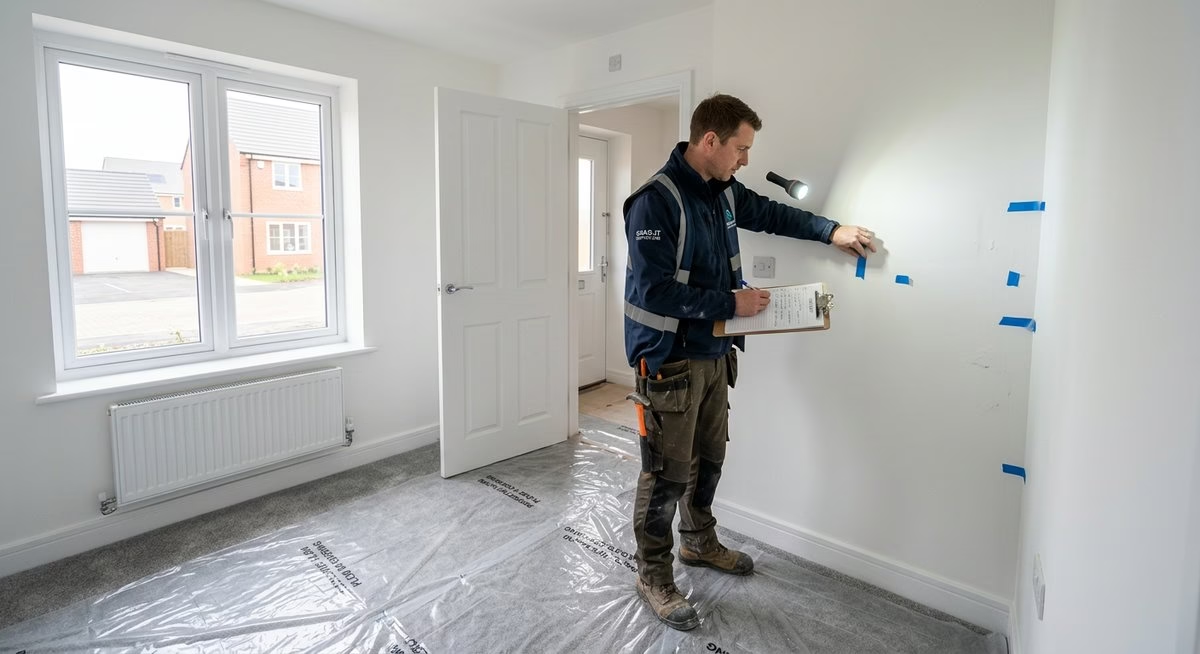
Moving into a brand-new home should feel exciting — not stressful. Yet thousands of UK buyers pick up the keys only to discover scratched glazing, sticky doors, unfinished grouting, or worse. If you are wondering what belongs on a new build snagging list UK what to check before or just after completion, you are not alone. According to the Home Builders Federation’s 2025 survey, over 93 per cent of new-build buyers reported problems after moving in, and more than a quarter flagged over fifteen separate snags. At Fixiz, we help homeowners cut through the overwhelm, prioritise defects, and hold builders to account — so every room in your new home meets the standard you paid for.
What is snagging — and why it matters for new-build buyers
Snagging is the process of methodically inspecting a completed property to identify defects, omissions, or unfinished work that the builder must put right. A snagging list — sometimes called a snag list or snagging report — is the written record of every issue you find, from minor cosmetic blemishes to serious structural concerns. It is not a legal requirement, but it is one of the most important steps you can take as a new-build buyer or self-build client at handover stage.
Why does it matter so much? Problems overlooked now can turn into expensive repairs later — a poorly sealed shower tray can cause hidden water damage over months, and a missing piece of loft insulation can push heating bills up for years. New-build properties routinely have well over a hundred snags, covering everything from scratched window panes to incorrectly fitted appliances. Compiling a thorough list and presenting it clearly to the builder gives you the best chance of getting every defect fixed while you are still covered by the builder’s warranty and your contract terms. Without a documented record, you have no formal evidence for warranty claims and no leverage if a dispute arises later.
We have inspected new-build handovers across London where owners were told the property was “finished” yet our walkthrough uncovered damp patches behind kitchen units, unsealed pipe penetrations in the loft, and multiple windows that would not lock. A structured snagging inspection would have caught every one of those issues on day one. The lesson is simple: never assume that a new home is defect-free, no matter how reputable the developer appears. Even premium developments regularly produce snag lists running to dozens of pages, so approaching handover with a clear inspection method is essential.
How to run a room-by-room snagging inspection
The key to effective snagging is being systematic. Work through the property one room at a time, starting outside and moving inwards. Bring a printed checklist, a phone camera, a torch, a spirit level, and a notepad. Inspect during daylight — natural light shows up paint defects, plaster imperfections, and scratched glazing far more clearly than artificial lighting.
Exterior and structure
- Walls and brickwork: check for cracks, chips, or uneven areas. Look for gaps in mortar or render that could let water in.
- Roof, gutters, and flashings: look for damaged or missing tiles, check gutters and downpipes are secure and leak-free, and inspect flashings around chimneys and roof joints.
- Windows and external doors: open and close every one — they should move smoothly. Check locks, handles, and weather seals for gaps.
- Drainage, paths, and garden: confirm manhole covers are level, rainwater drains away from the building, and fencing and gates are complete.
Kitchen and bathroom
- Units and drawers: open and close every cupboard door and drawer. Soft-close mechanisms should work, shelves should be level, and interiors should be undamaged.
- Worktops: check they are level, properly supported, and free from chips. Joints should be neat and sealed.
- Taps and water pressure: run all taps, confirm hot and cold are correct, and test the shower at full pressure.
- Seals, tiles, and grouting: inspect silicone around baths, shower trays, and sinks for gaps. Look for cracked or loose tiles and inconsistent grout.
Windows, doors, and internal finishes
- Plaster and walls: run your hand along every wall to feel for lumps, rough patches, or unfilled screw indentations.
- Paintwork: check for drips, runs, uneven coverage, and splashes on floors or skirting boards.
- Floors: walk across every floor listening for squeaks. Check tiles are level and there are no gaps between flooring and skirting.
- Doors: test every internal door — they should close fully without catching. Check locks, latches, and even spacing around the frame.
Electrical, heating, and services
- Sockets and switches: test every light switch, socket, and dimmer. Faceplates should sit flush to the wall.
- Consumer unit: confirm the fuse board is properly labelled and smoke alarms work.
- Boiler and radiators: fire up the heating and check every radiator heats evenly. Look for leaks around pipe connections.
- Ventilation: switch on extractor fans in bathrooms and the kitchen to confirm they run and remove moisture.
Hidden areas people miss
- Inside wardrobes and under stairs: check for unfinished plaster, untidy pipework, or damage.
- Loft space: inspect insulation, pipe lagging, and visible wiring.
- Behind kitchen appliances: pull out where possible and check for debris or missing sealant.
- Overflow pipes and meter boxes: confirm overflow pipes are visible externally and meter cupboards are tidy.
Tip: Photograph every defect with a ruler or coin for scale, note the room and exact location, and write a clear one-line description. A spreadsheet with columns for item number, location, category, date noted, remedial action, person responsible, and status keeps the process professional and makes it much harder for the builder to dismiss your list.
How to prioritise defects — safety first, cosmetics last
Not all snags are equal. Once you have completed your walkthrough, sort your list into three tiers so the most urgent items get attention first:
- Safety and water ingress (urgent): anything that poses a safety risk or lets water into the building must be flagged immediately. This includes faulty electrics, non-functioning smoke alarms, gas concerns, leaking pipes, unsealed shower trays, missing roof tiles, and gaps in external render. Builders should attend to emergency defects within 24 to 48 hours.
- Functional defects (high priority): items that affect how you use your home — doors that will not close, windows that will not lock, radiators that do not heat, extractor fans that do not run, drainage that backs up, or poorly fitted kitchen units.
- Cosmetic issues (standard priority): paint drips, minor plaster imperfections, scuffs on skirting, scratched glazing, or uneven grout. These are the most common snags and should absolutely be fixed, but they can wait behind the first two categories.
On a recent project in south-east London, we helped a client reorganise a 90-item snag list so the builder tackled a leaking soil pipe and a non-functioning bathroom extractor before moving on to cosmetic paintwork. That reprioritisation prevented what could have been serious damp damage within weeks of moving in. Prioritising also shows the builder that you are organised and reasonable — which tends to speed up the entire process. Builders are far more likely to take a structured, tiered list seriously than a jumbled document mixing cracked render with paint splashes.
Tip: When you submit your list, group items by priority tier and highlight anything involving water or safety in bold. Builders respond faster when the urgency is visually obvious. If the builder claims an item is “within tolerance,” ask them to specify which standard and what the tolerance is.
Managing the builder — deadlines, access, and escalation
Compiling the list is only half the job. Getting the builder to act on it requires clear communication and a paper trail:
- Submit formally in writing: send your snagging list by email or recorded post to the developer’s customer service department — not just the site manager. Lists handed verbally or to a single contact are easily lost.
- Set deadlines: ask for a written timetable. Under the Consumer Code for Home Builders, developers must acknowledge complaints within five to ten working days and provide a substantive response within 28 days.
- Grant reasonable access: the builder is entitled to come back and fix defects, so agree convenient slots. Refusing access can weaken your position later.
- Keep copies of everything: save emails, photograph before-and-after states of repairs, and note agreed actions with dates.
Tip: If the developer runs an HBF customer satisfaction survey, do not fill it in until your snags have been resolved. Some staff have performance targets linked to survey outcomes, which gives you real leverage.
Escalation pathways if the builder stalls
If the builder refuses to act or keeps delaying, escalate step by step:
- Formal written complaint: state the defects and give a deadline of 14 to 28 days.
- Warranty provider resolution: with NHBC Buildmark cover, contact NHBC once you have been through the builder’s complaints process. NHBC can inspect, issue a resolution report, and arrange contractors if the builder still does not comply.
- Consumer Code adjudication: apply for independent adjudication (£120 fee, refunded if you win). The adjudicator can order repairs or compensation.
- Financial Ombudsman or court: the Consumer Rights Act 2015 and the Defective Premises Act 1972 provide strong statutory protection, with limitation periods of up to 15 years under the Building Safety Act 2022.
We recently supported a client whose developer had ignored a 40-item snag list for five months. Once we helped draft a formal complaint referencing the NHBC resolution process, the developer scheduled a full repair visit within two weeks.
Contract basics — retention, NHBC warranty, and defect periods
Understanding your contractual position gives you confidence when dealing with the builder. Three concepts matter most:
Retention
In construction contracts — particularly for self-build or renovation projects — it is common practice to withhold between 2.5 and 5 per cent of the agreed price as retention. Half is typically released at practical completion, and the other half once the defects liability period ends. Retention incentivises the contractor to return and fix snags. However, you can only hold back retention if it is written into your contract from the outset. If your contract does not include a retention clause, you have no automatic right to withhold payment.
The NHBC Buildmark warranty
Most UK new builds come with a 10-year NHBC Buildmark warranty, split into phases. During years one and two, the builder — not NHBC — is responsible for fixing defects arising from their failure to meet NHBC requirements. If the builder fails to act, NHBC’s resolution service can step in. From years three to ten, NHBC provides insurance cover for damage caused by defects in structural elements. The builder’s direct obligation has ended, but the insurance backstop remains.
Tip: Submit a comprehensive final snag list around month 22 or 23 — do not leave it until the last day. Once the builder warranty expires, cover shifts to the narrower structural insurance.
Contract defects vs warranty defects
Your warranty and your purchase or building contract are separate. The warranty covers breaches of NHBC technical standards; your contract may cover additional specifications — a particular kitchen finish, specific appliance models, or landscaping details — that the warranty does not address. If the builder has not delivered what the contract promised, that is a contractual claim regardless of the warranty. Your solicitor can advise on enforcing both together.
Should you use a professional snagging company?
You can compile a snagging list yourself, and the checklist above will get you a long way. But unless you work in the building trade, a professional snagging inspector is likely to spot significantly more defects — particularly structural or compliance-related issues invisible to the untrained eye.
Professional snagging surveys in the UK typically cost from around £320 for a studio or one-bed flat up to £550 for a larger house. Standard-plus packages — including re-inspection visits and ongoing support through the warranty period — start from around £549. When you are spending hundreds of thousands of pounds on a new home, this is a modest outlay for genuine peace of mind.
What a professional report gives you:
- Technical authority: references to Building Regulations, NHBC standards, and tolerance levels that add weight to your claim.
- Photographic evidence: a numbered report with images that is harder for the builder to dismiss.
- Builder liaison: many snagging companies submit the report on your behalf and chase the developer.
- Independence: a good snagging company never works for developers, so there is no conflict of interest.
If your developer is signed up to the New Homes Quality Code, you have the right to a professional pre-completion snagging inspection. We always recommend buyers exercise this right where available, and follow up with a full survey once they have moved in — some defects, like a radiator that does not heat evenly or a shower that loses pressure, only reveal themselves through daily use.
From our experience at Fixiz, every client who has invested in a professional snag report has uncovered issues they would not have found alone — from incorrectly wired consumer units to missing fire-stopping in the loft. The cost pays for itself many times over in avoided repair bills.
Frequently asked questions
What is the two-year defect period on a new build?
The two-year defect period — the builder warranty period — runs from the completion date, not the date you move in. During this time, the builder must fix defects arising from their failure to build to the required standard. Once the two years expire, cover shifts to the warranty provider’s structural insurance for years three to ten, which has a narrower scope.
Can I do a snagging inspection before completion?
Many developers allow a pre-completion inspection, and we strongly recommend you request one. If your developer refuses access before completion, prioritise your inspection as soon as you move in. Damage to sanitaryware, kitchen units, and glazing should ideally be reported within the first seven days.
How many snags is normal in a new build?
Professional inspectors commonly find between 50 and 200 defects in a typical new-build home. Most are cosmetic, but a proportion will be functional or compliance-related. Do not be alarmed by a long list — what matters is that every item is documented and addressed.
Can I withhold money from the builder until snags are fixed?
Only if your contract includes a retention clause. For developer new-build purchases, the completion payment is a contractual obligation once conditions are met — you generally cannot refuse to complete solely because of snagging defects. Speak to your solicitor before withholding any payment.
What should I do if the builder refuses to fix snags?
Put your complaint in writing with a clear deadline. If the builder does not respond, escalate to your warranty provider, then to the Consumer Code adjudication scheme, and ultimately to the Financial Ombudsman or the courts. Keep records of every communication — the paper trail is your most powerful tool.
Ready to move from confusion to construction? Get in touch with Fixiz today for a no-pressure chat about your project and the fastest route to full compliance.