Physical address:
128 City Road, EC1V 2NX, London,UK

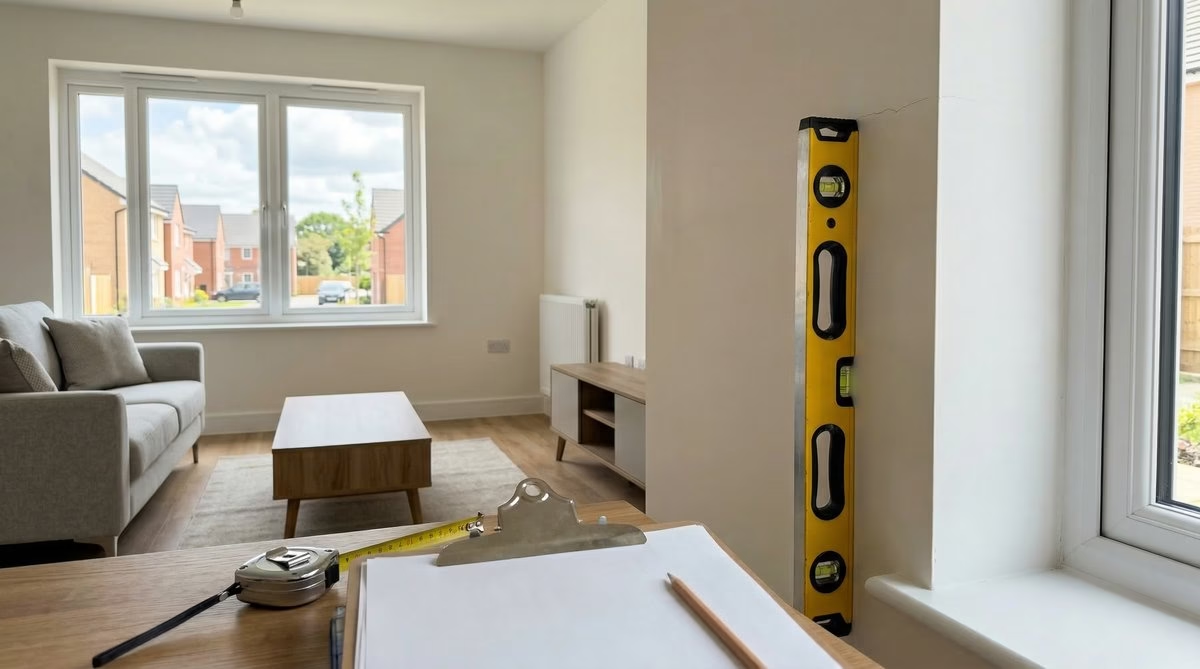
New-build homes can be brilliant — modern layouts, good insulation, and less immediate “old house drama”. But buyers are often shocked by the snagging: uneven finishes, sticking doors, poor sealant, cracks, and workmanship that doesn’t match the price tag. If you’re facing this, a proper new build snagging checklist UK and the right evidence can turn frustration into fixes.
What snagging is — and why it matters more than most buyers expect
Snagging is the process of identifying defects, incomplete work, and poor finishes so the developer can put them right. In theory, it’s normal. In reality, many buyers only discover how much needs attention once they’ve moved in and lived with the property.
The reason snagging matters is not just aesthetics. Small defects can signal bigger issues — and some problems get harder (and more expensive) to correct once the developer’s initial responsibility period passes.
- Performance: Drafts, leaks, and poor sealing affect comfort and bills.
- Durability: Bad detailing accelerates wear — tiles crack, sealant fails, and moisture damages finishes.
- Safety: Loose balustrades, poorly fitted electrics, and fire-stopping issues are not “cosmetic”.
- Resale value: Paper trails and unresolved defects can affect buyer confidence later.
Tip: Treat snagging like a project, not a complaint. The developer will respond better to a clear list, photos, locations, and dates than to a general “the quality is bad”.
The most common new-build defects we see — and what to look for
Some snagging is unavoidable. But there are recurring patterns across many developments — especially around finishing, sealing, and speed of installation.
Here’s a practical list we recommend checking room by room.
- Doors and frames: Sticking doors, misaligned frames, gaps, and poor latching.
- Cracks and movement: Hairline cracks are common as the house dries, but wide cracks or repeated cracking may need attention.
- Sealant and waterproofing: Bathrooms and kitchens often show rushed sealing — a small gap can become water damage.
- Windows: Stiff operation, poor seals, missing trims, and condensation between panes.
- Floors: Uneven floors, squeaks, hollow tile sounds, or poorly laid finishes.
- Heating and ventilation: Radiators not balancing properly, extractor fans underperforming, trickle vents missing or blocked.
- External details: Poor drainage falls, gaps in brickwork pointing, and external sealant failures around penetrations.
If you’re in a flat or managed development, we also check communal elements that affect you: water ingress routes, bin stores, balcony drainage, and any shared services that can cause recurring issues.
How to document snags so the developer actually fixes them
The difference between “ignored” and “actioned” is usually documentation. Developers work through systems — and your job is to give them a pack that is easy to process and hard to dismiss.
- Photo evidence: Clear photos with a wide shot (location) and close-up (defect).
- One snag per line: Keep the list simple — item, location, and what you want done.
- Date stamping: Record when you noticed it and when you reported it.
- Prioritisation: Separate safety/water ingress from cosmetic items so urgent works aren’t buried.
- Follow-up cadence: Regular, polite follow-ups keep it moving.
Tip: If something could cause water damage (shower leaks, window leaks, external penetrations), push that to the top. Moisture issues escalate fast in modern airtight homes.
Estate management fees and ‘new build extras’ — questions to ask early
Another new-build shock is not the build itself, but the ongoing costs. Many estates have management charges for green spaces, roads, lighting, and communal maintenance. Buyers often assume council tax covers this — then learn they’re paying both.
We can’t change the legal structure of an estate, but we can help you ask the right questions so you know what you’re buying into.
- What is the current annual fee? Ask for real numbers, not estimates.
- How does it increase? Is it index-linked or discretionary?
- What does it cover? Grass cutting is one thing; private road repairs are another.
- Who controls the management company? What say do residents have?
- What’s the complaints process? Useful when service levels don’t match fees.
How Fixiz supports new-build owners — snagging, repairs, and upgrades
We’re often brought in when owners want an independent view, or when they need help translating “snags” into a clear scope of work. We can also support you once the developer period ends — fixing defects properly and upgrading finishes to a standard that matches how you want to live in the home.
- Independent inspection: A practical check of the most common defect areas and moisture risks.
- Actionable snag list: Clear items with photos and prioritisation.
- Repair and upgrade works: Bathrooms, kitchens, flooring, decorating, and remedial building work.
- Long-term planning: Helping you avoid repeat disruption by sequencing works sensibly.
FAQ — new build snagging in the UK
Is snagging normal in new builds?
Some snagging is common, especially as the building dries and settles. But significant defects, water ingress, or repeated failures should be addressed properly and promptly.
When should I do a snagging inspection?
Ideally before you move in or very soon after completion. The earlier you document issues, the easier it is to get them resolved while the developer is still engaged.
What are the most urgent snags to report?
Anything involving water ingress, ventilation performance, electrical safety, and external defects. Cosmetic issues matter too, but moisture and safety should lead.
Can I fix snags myself?
You can fix minor cosmetic items, but be careful — some developer warranties may be sensitive to unauthorised alterations. We help you decide what to push back to the developer versus what to upgrade independently.
Ready to move from confusion to construction? Get in touch with Fixiz today for a no-pressure chat about your project and the fastest route to full compliance.