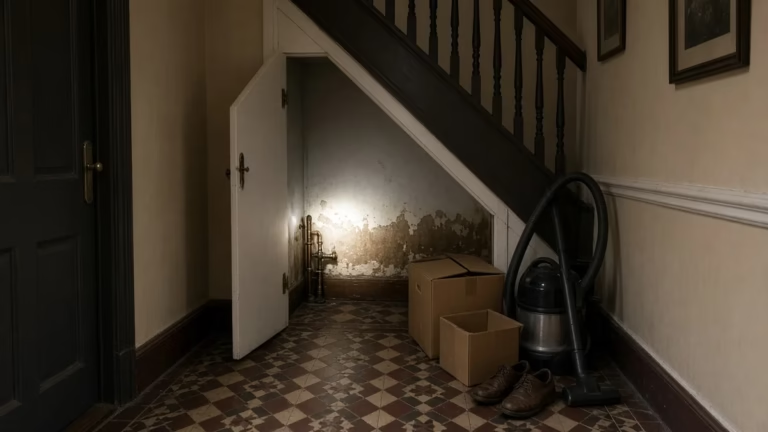
Damp Under the Stairs: What Causes It and How to Fix It
A damp, musty under-stairs cupboard can be condensation, a slow leak, ground moisture or a blocked floor void. How to tell which, and what fixes each.

A damp, musty under-stairs cupboard can be condensation, a slow leak, ground moisture or a blocked floor void. How to tell which, and what fixes each.
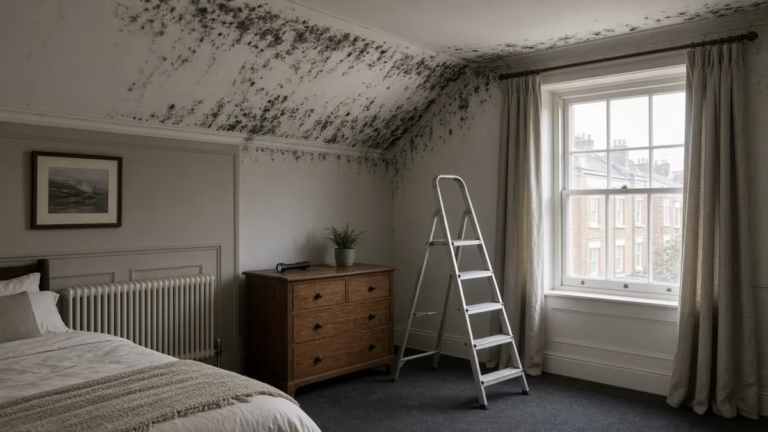
Black spots on the ceiling usually mean condensation on a cold patch, but leaks look similar. How to read the pattern, check the loft and fix the cause.
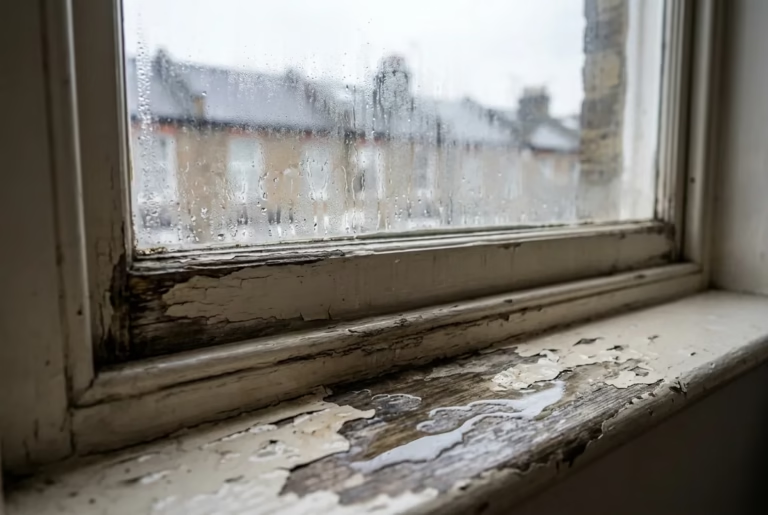
Original sash windows streaming with condensation? Why it happens, when it damages the timber, and how to cut it with ventilation and secondary glazing.
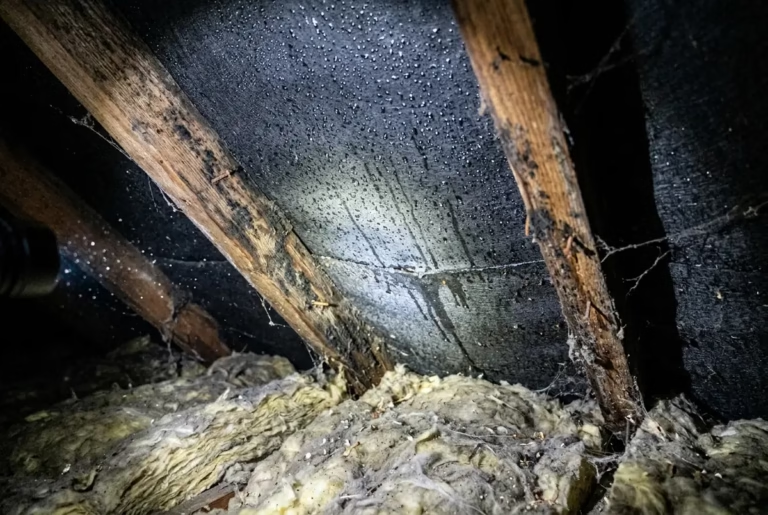
Wet felt and dripping timbers in the loft are often condensation, not a leak. How to tell the difference, why it happens and how to fix it at the source.
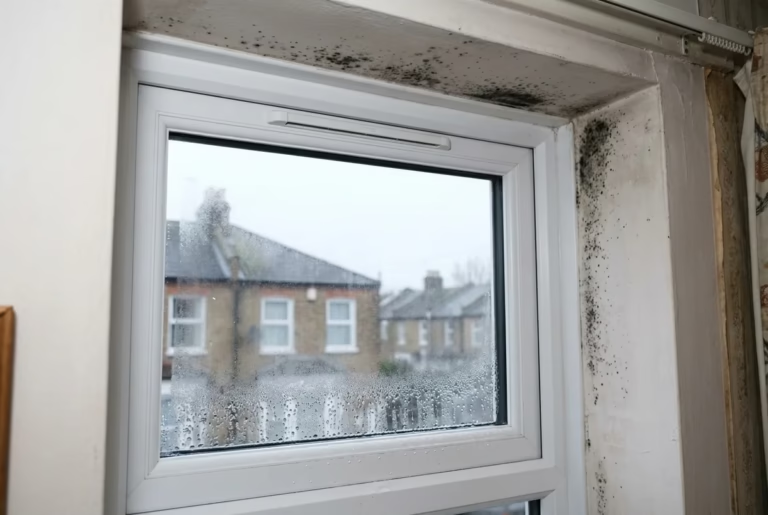
New windows make homes more airtight, so moisture condenses on cold reveals instead. Why mould appears after replacement, what Part F says and what to do.
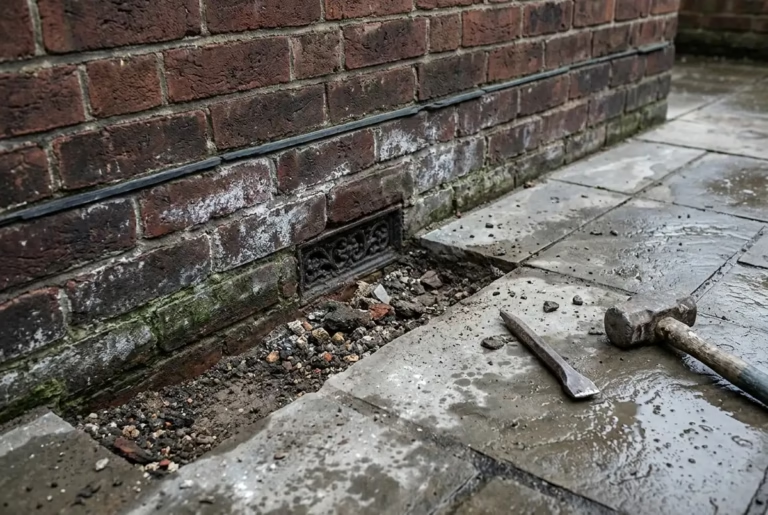
A patio laid at or above the damp-proof course can cause damp that looks like rising damp. The 150mm rule, how to check your wall and the realistic fixes.
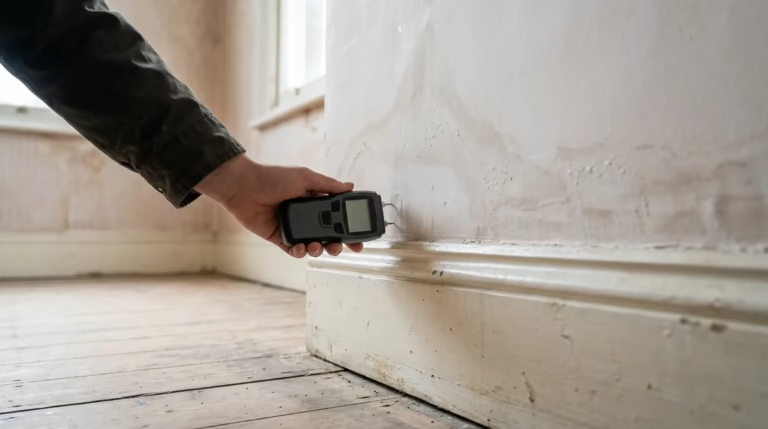
Your homebuyer survey recorded high damp readings but the walls look dry. What the report means, what to ask the surveyor and how to use a follow-up report before exchange.
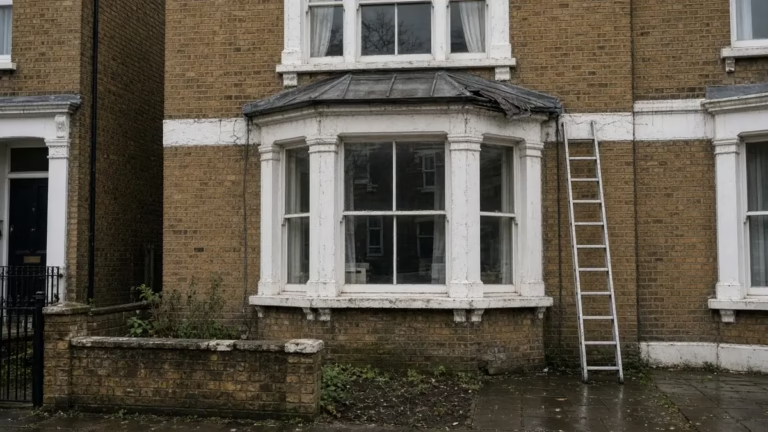
Damp in a Victorian or Edwardian bay window can come from the bay roof, sills, frames, junction cracks or condensation. How to narrow it down and what to check.
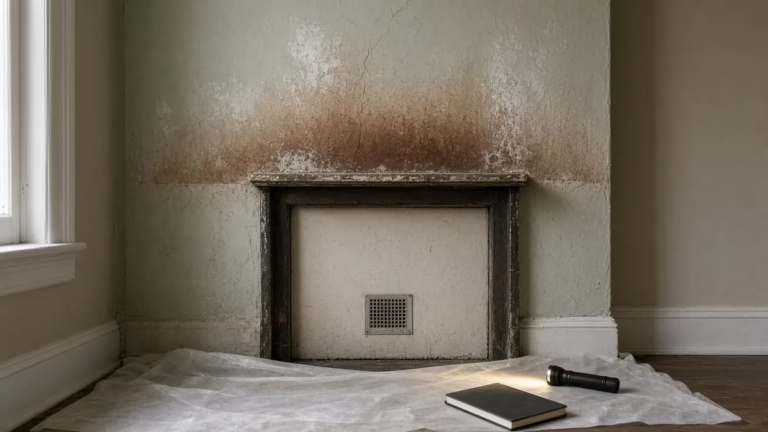
Why damp keeps coming back on a disused chimney breast in London period homes, and what a proper chimney damp inspection should check before any treatment.