
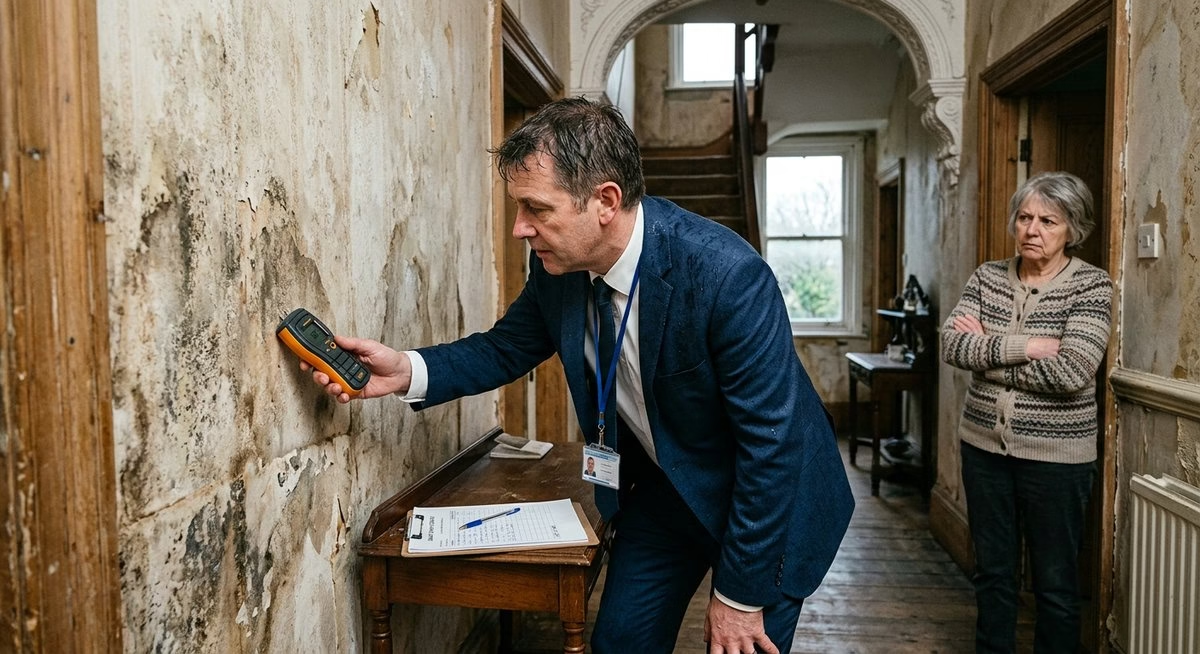
Few words strike more fear into a homeowner than “dry rot.” But not all timber decay is equal, and not everything that looks alarming is the disaster it first appears. Wet rot, dry rot and ordinary damp are related but very different problems — and telling them apart correctly is what stops you either ignoring something serious or paying thousands to over-treat something minor. Here is a calm, practical guide.
The common thread: moisture
Every one of these problems starts with moisture in the building. Damp is moisture in the structure — from condensation, penetrating or rising damp. Once timber stays wet for long enough, fungal decay — rot — can take hold. So rot is often what happens when a damp problem is left unaddressed. Fix the moisture and you remove the fuel for both.
What is wet rot?
Wet rot is the more common and generally less alarming of the two. It occurs where timber is exposed to persistent high moisture — a leaking gutter, a wet floor, a bathroom leak — and stays localised to that damp area. The timber becomes dark, soft and spongy, and may crack along the grain or crumble. It does not aggressively spread beyond the wet zone. The fix is logical: stop the water, let things dry, and treat or replace the affected timber.
What is dry rot — the serious one
Dry rot (Serpula lacrymans) is the one to respect. Once established it can spread through masonry and behind plaster to find fresh timber, and needs less moisture to keep going. Tell-tale signs include a distinctive musty smell, fine reddish-brown spore dust, cotton-wool-like white growth (mycelium), and timber that cracks into cube-like sections. Left alone it can cause significant structural damage. It needs prompt, thorough treatment — removing the moisture source, cutting out affected timber, and treating the surrounding area.
How to tell them apart
Roughly: localised, wet, spongy timber at an obvious damp spot points to wet rot. Spreading decay, cuboidal cracking, red dust, mycelium or a mushroom-like growth points to dry rot. Plain damp with no timber breakdown is just that — damp. But surface appearances mislead, and the three overlap, so a professional inspection is the only way to be sure which you are dealing with.
Why misdiagnosis is costly
Call every rot “dry rot” and you risk paying for aggressive, expensive treatment you did not need. Dismiss real dry rot as “just damp” and you let structural damage spread. An accurate diagnosis — identifying the type and, crucially, the moisture source feeding it — is what gets you the right fix at the right cost.
How Fixiz helps
Fixiz carries out honest damp and timber surveys across North London. We identify whether you are dealing with damp, wet rot or dry rot, trace the moisture source behind it, and recommend targeted works rather than blanket treatment. Get in touch with Fixiz today for a no-pressure chat and a survey.
FAQ — wet rot, dry rot and damp
What’s the difference between wet rot and dry rot?
Wet rot stays localised to a damp area and needs persistent moisture; dry rot can spread through masonry to find new timber and needs less moisture once established, making it more serious.
Is dry rot always a disaster?
It is serious and needs prompt treatment, but caught early and with the moisture source removed, it is manageable. Panic is not required — an accurate diagnosis is.
Can damp turn into rot?
Yes. Timber kept wet by unresolved damp can develop wet or dry rot, which is why fixing the moisture source matters so much.
How do I know which one I have?
Localised spongy timber at a damp spot suggests wet rot; spreading decay, cuboidal cracking, red spore dust or mycelium suggests dry rot. A professional survey confirms it.
Do I need to replace all the timber?
Not necessarily. Once the moisture source is fixed, only affected timber is removed and treated. Accurate diagnosis avoids unnecessary replacement.