
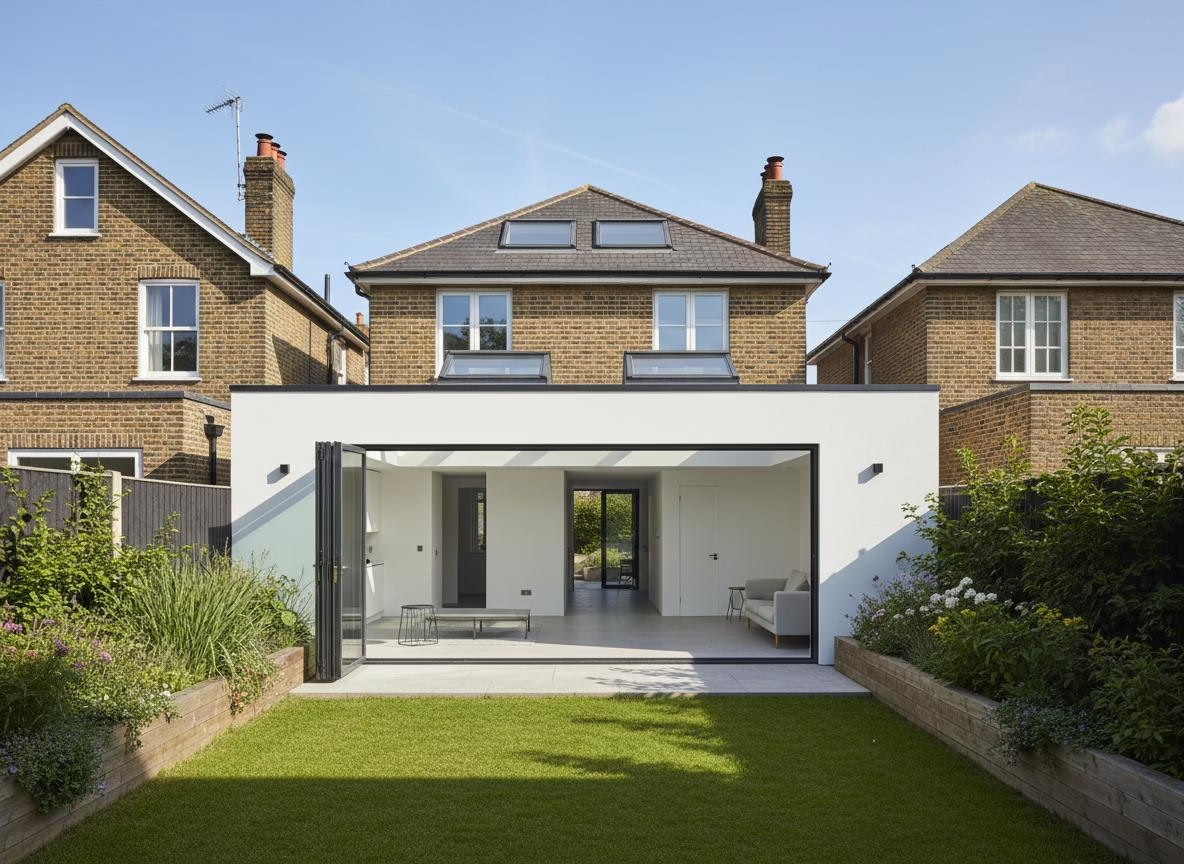
The single thing that makes or breaks a single-storey extension is natural light. A poorly lit extension can leave the middle of your home darker than before; a well-lit one feels twice the size. The roof is where much of that light comes from, and you have three main routes: a roof lantern, flush skylights, or a pitched glazed roof. Here is how they compare.
Why roof light matters more than windows
Rear extensions often push living space away from existing windows, so light from the walls alone rarely reaches the back of the room. Roof glazing pours daylight straight down into the centre of the space — and overhead light is far more effective, square metre for square metre, than a vertical window. Getting the roof strategy right is what stops the dreaded dark middle.
Roof lanterns
A roof lantern is a raised, glazed structure that sits proud of a flat roof — the architectural centrepiece look. It floods the room with light, adds a sense of height and volume, and becomes a real feature. The trade-offs: it is the most expensive option, and because it is a large area of glass you must specify good solar-control and insulated glazing to avoid heat loss in winter and overheating in summer.
Flush skylights (flat rooflights)
Flush or in-plane rooflights sit level with a flat roof for a sleek, minimalist finish. They are typically more affordable than a lantern, give a clean contemporary look, and can be arranged in runs or grids for even light. Walk-on versions even allow glazing in a terrace above. For a modern, understated extension, flush rooflights are often the sweet spot of light, looks and cost.
Pitched glazed roofs
If your extension has a pitched roof, you can glaze it with angled rooflights (such as Velux windows) or a glazed gable. This suits more traditional homes and can throw light in beautifully, especially on a south or west aspect. A pitched roof with well-placed rooflights combines a classic look with excellent daylight.
What to consider before choosing
- Overheating. Large glazed areas, especially south-facing, can bake in summer — specify solar-control glass and consider ventilation.
- Glazing spec. Insulated, low-emissivity and self-cleaning glass pays for itself in comfort and upkeep.
- Orientation. North light is soft and even; south light is bright but needs managing.
- Budget. Roughly, flush rooflights are keenest on price, lanterns the premium choice.
How Fixiz helps
Fixiz designs and builds house extensions across North London with daylight planned in from the start. We help you weigh lanterns, rooflights and pitched glazing against your layout, orientation and budget, and specify glazing that keeps the room comfortable year-round. Get in touch with Fixiz today for a no-pressure chat and a free survey.
FAQ — extension roof glazing
What gives the most light, a roof lantern or flush skylights?
Both deliver excellent overhead light. A lantern adds height and drama and a large glazed area; flush rooflights give a sleeker look, often at lower cost. The best choice depends on style and budget.
Do roof lanterns cause overheating?
They can if poorly specified. Solar-control, insulated glazing and adequate ventilation keep a lantern comfortable in summer and warm in winter.
Are flush rooflights cheaper than a lantern?
Generally yes. Flush rooflights are usually more affordable and give a clean, contemporary finish.
Can I have rooflights in a pitched extension roof?
Yes. Angled rooflights or a glazed gable suit pitched roofs and can provide excellent daylight, particularly on a south or west aspect.
How do I avoid a dark middle in my extension?
Overhead roof glazing is the key — it delivers light to the centre of the room where wall windows cannot reach. Planning it early is essential.