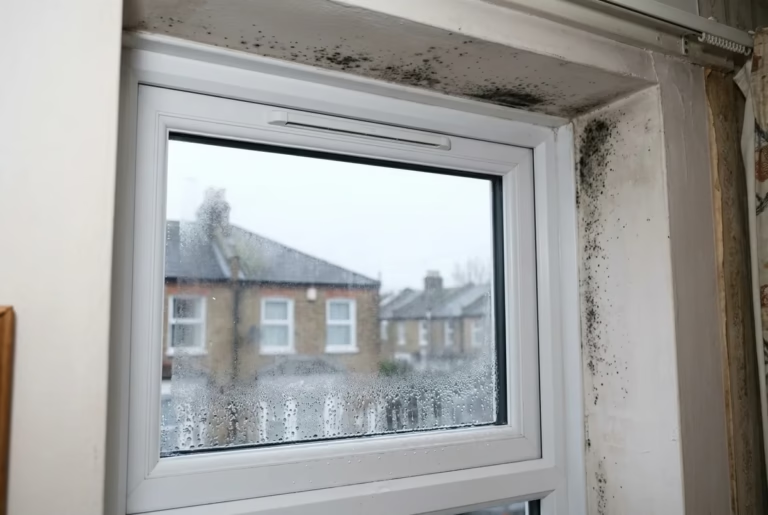
Mould Around New Windows? Why It Appears After Replacement and What to Do
New windows make homes more airtight, so moisture condenses on cold reveals instead. Why mould appears after replacement, what Part F says and what to do.

Your blog category
New windows make homes more airtight, so moisture condenses on cold reveals instead. Why mould appears after replacement, what Part F says and what to do.
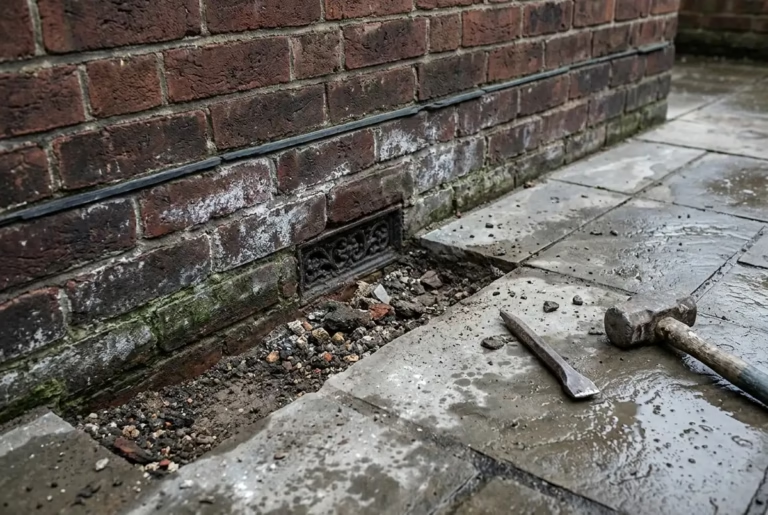
A patio laid at or above the damp-proof course can cause damp that looks like rising damp. The 150mm rule, how to check your wall and the realistic fixes.
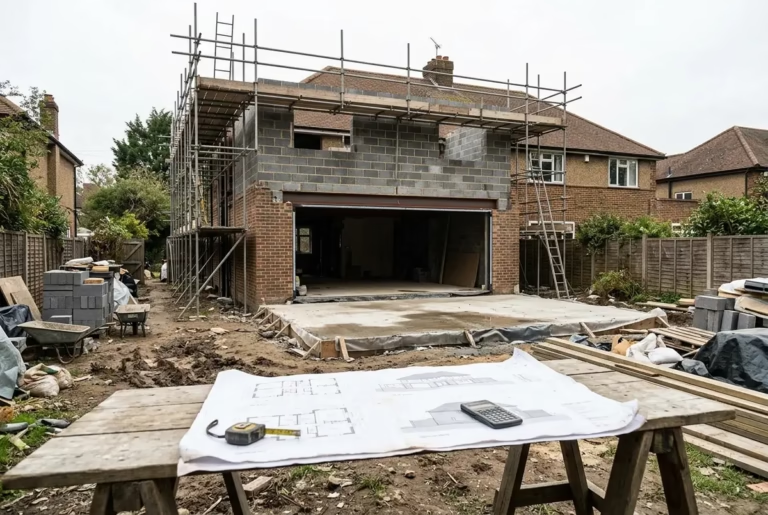
Most London home extensions never pay CIL, but extensions of 100 m² or more must claim the exemption on Form 9 before work starts. The rules in plain English.
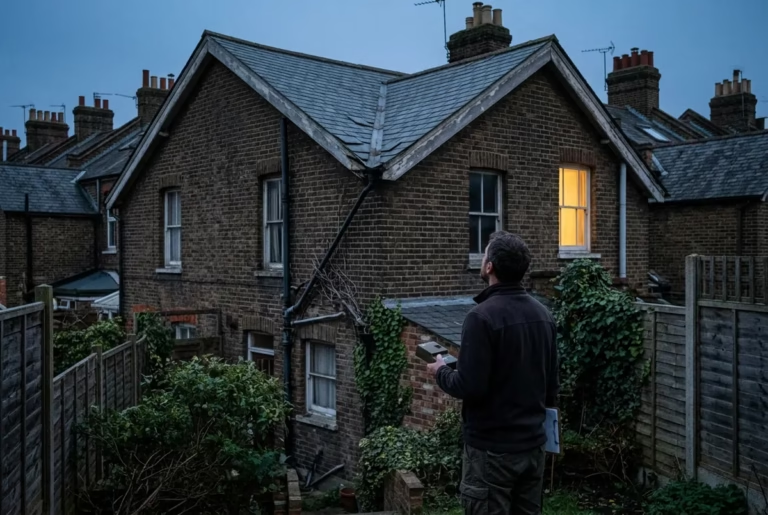
Bats don't usually stop a loft conversion, but roosts are protected by law even under permitted development. Surveys, licences and timing explained.
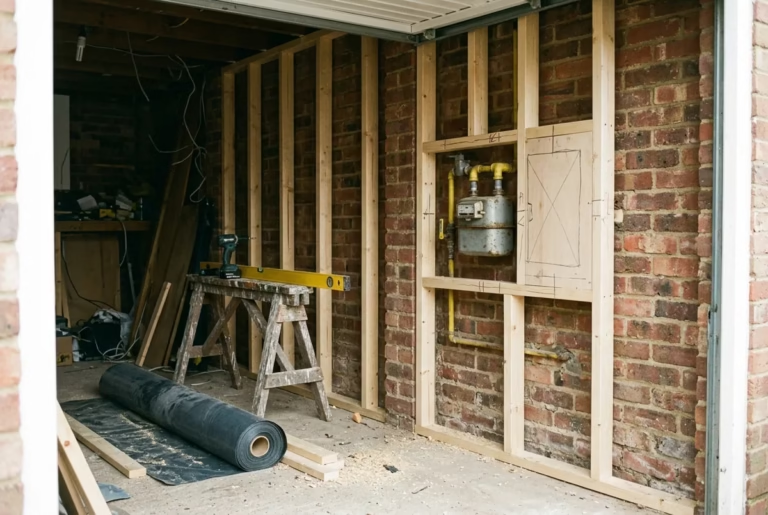
A gas meter in the garage rarely stops a conversion, but it must stay accessible or be moved by the right people. What the rules say and how to plan it early.
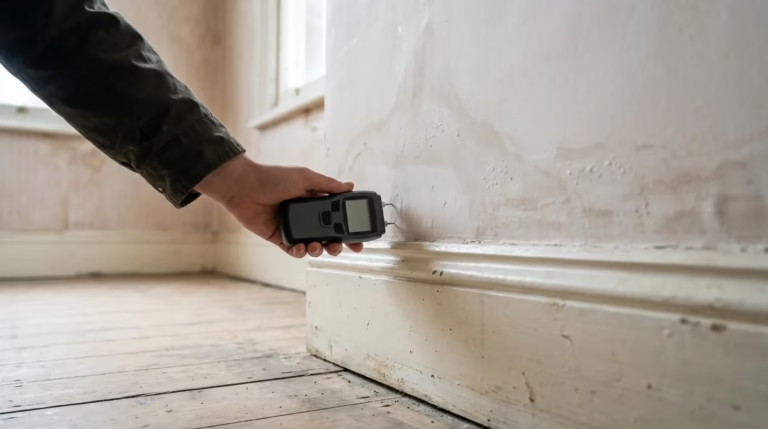
Your homebuyer survey recorded high damp readings but the walls look dry. What the report means, what to ask the surveyor and how to use a follow-up report before exchange.
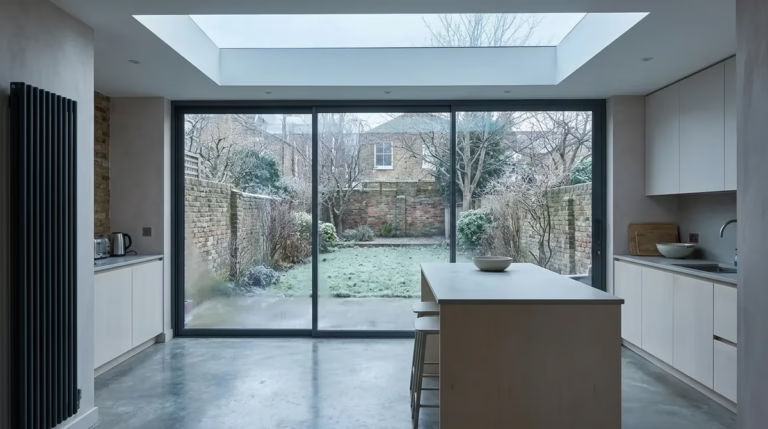
Why kitchen extensions feel cold in winter – glazing, cold surfaces, draughts and undersized heating – what Part L does and doesn't guarantee, and what helps.
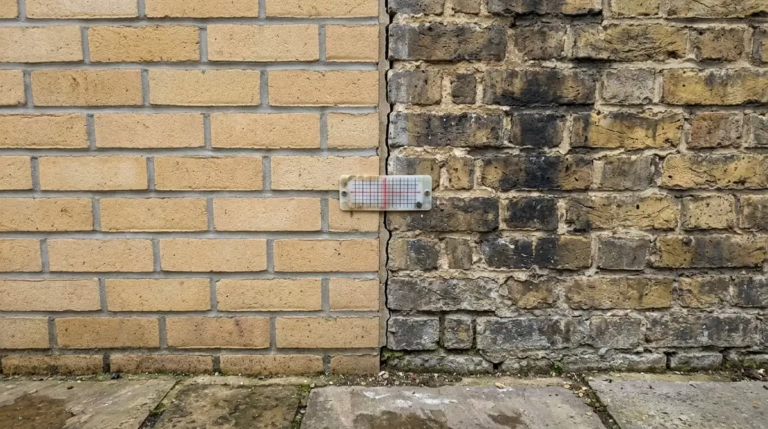
Why cracks appear where an extension meets the original house, how to judge them using BRE Digest 251, the warning signs and what to do next.
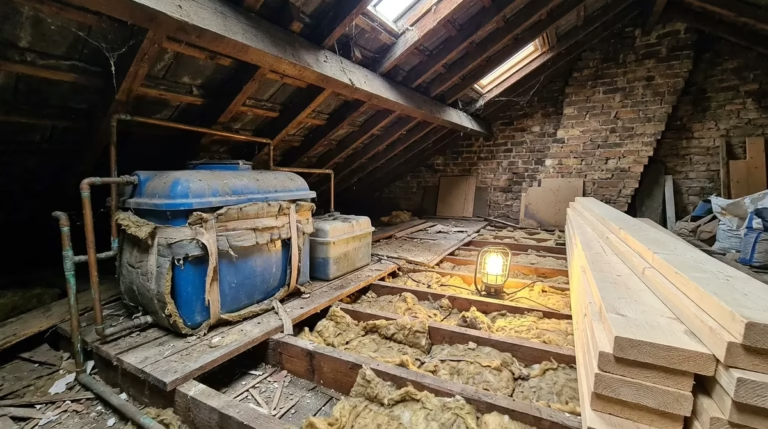
A cold water tank rarely stops a loft conversion. What the tanks do, the options for removing or moving them, the pressure trade-offs and the rules that apply.