
Unlocking Financial Support for Energy Efficiency: A Comprehensive Guide to EPC Improvement Grants
In the pursuit of creating energy-efficient homes and reducing carbon footprints, numerous government initiatives and financial support programs have emerged.
EPC improvement grants play a crucial role in providing homeowners with the necessary resources to enhance their home’s energy performance, leading to lower energy bills, increased property values, and a reduced environmental impact.
Understanding EPC Improvement Grants: Eligibility and Application Processes
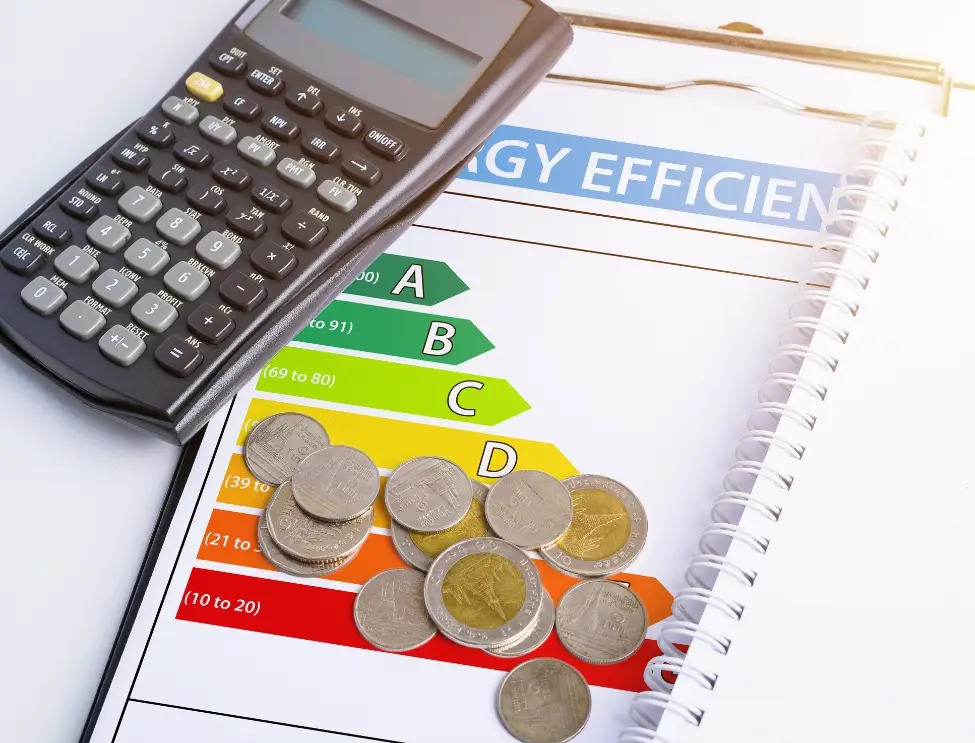
To be eligible for EPC improvement grants, homeowners must typically meet specific criteria, such as owning a property in England or Wales, occupying the property as their primary residence, and having an EPC rating of D or lower.
The application process for EPC improvement grants varies depending on the specific program, but generally involves completing an online application form, providing supporting documentation, and undergoing a property assessment.
Exploring Available Funding Amounts: A Range of Options to Suit Your Needs
The amount of financial assistance available through EPC improvement grants can vary depending on the type of energy-saving measures implemented, the property’s energy efficiency potential, and the specific program.
Some grants cover a portion of the total cost of eligible improvements, while others provide fixed funding amounts.
Harnessing EPC Improvement Grants: Empowering Homeowners to Embrace Energy Efficiency
EPC improvement grants offer homeowners a valuable opportunity to make their homes more energy-efficient without facing significant financial constraints.
By leveraging these grants, homeowners can reduce their energy consumption, lower their bills, and contribute to a more sustainable future.
Additional Resources and Support: A Network of Information and Guidance
To further assist homeowners in navigating the EPC improvement grant landscape, several resources and support services are available.
These include online portals, dedicated telephone helplines, and energy advice centers that provide personalized guidance and tailored recommendations.
Embark on a Journey of Energy Efficiency and Sustainability: Unlocking the Power of EPC Improvement Grants
EPC improvement grants serve as a powerful catalyst for transforming homes into energy-efficient havens.
By embracing these financial support programs, homeowners can make informed decisions about upgrading their homes’ energy performance, reducing their environmental impact, and creating a more sustainable future for their families and communities.