
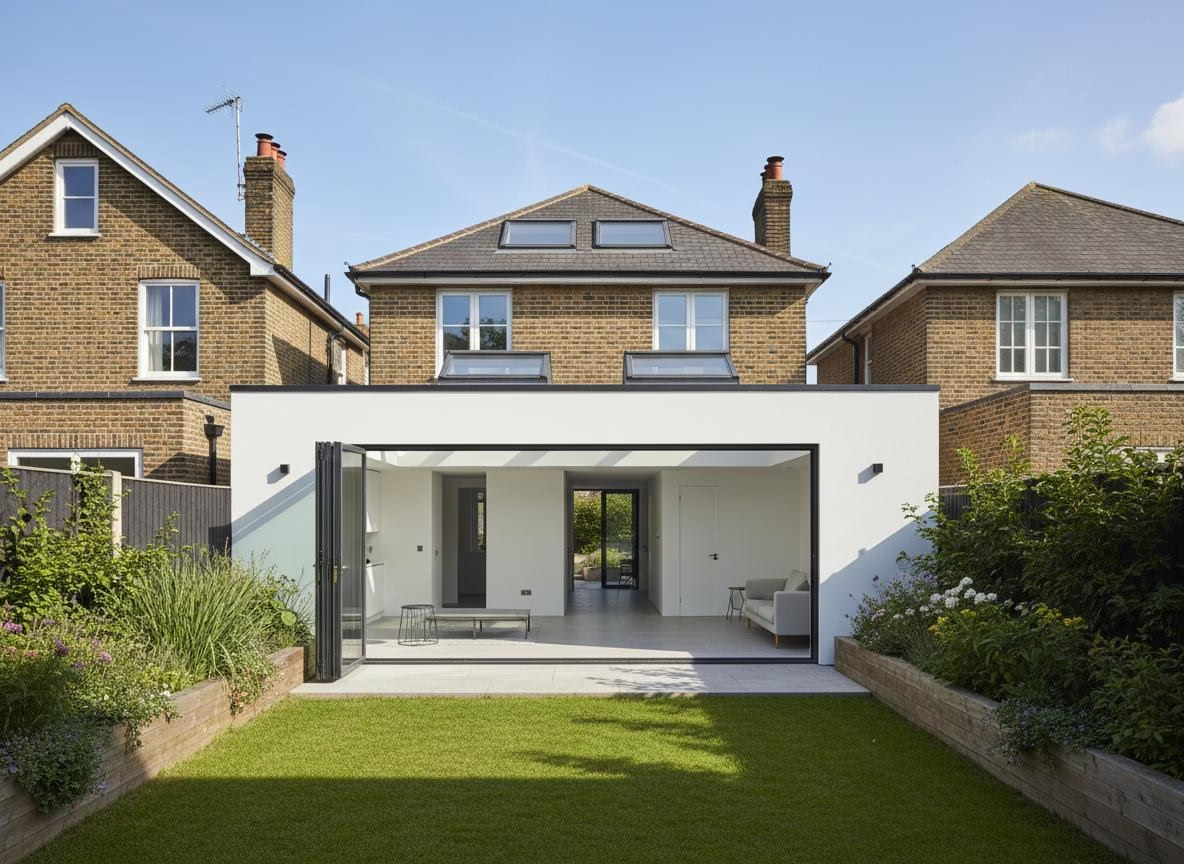
Few decisions define the feel of a rear extension like the doors onto the garden. Bi-fold or sliding? Both create that coveted indoor-outdoor connection, but they do it in very different ways — and the right choice depends on whether you value a fully open wall or the biggest, sleekest expanse of glass. Here is a straight comparison.
The choice in a nutshell
Bi-folds fold and stack to one side, opening up almost the entire aperture. Sliding doors glide past each other, opening around half the span but offering larger glass panes and slimmer frames. One prioritises opening; the other prioritises the view when closed. Since your doors are shut far more often than open, that second point matters more than people expect.
Bi-fold doors: pros and cons
Pros: open up to around 90% of the opening, effectively removing the wall between kitchen and garden — brilliant for entertaining and summer living. Flexible configurations and a “traffic door” for everyday use without folding everything back.
Cons: when closed, the multiple folding panels mean more frames and thicker sightlines interrupting the glass, so the view is more divided. They also need space to stack.
Sliding doors: pros and cons
Pros: large panes and slim sightlines give an almost uninterrupted view and maximum light when closed — which is most of the time. Minimal-frame sliding systems look especially sleek and contemporary, and the glass does not intrude into the room when open.
Cons: a standard slider only opens about half the aperture, as one panel slides behind another (unless you opt for a costlier pocket system). Premium slim-frame sliders can also be more expensive.
How they compare
- Maximum opening: bi-folds win.
- Best view and light when closed: sliding doors win.
- Contemporary, minimalist look: usually sliding.
- Cost: both span a wide range; high-end slim-frame sliders often sit at the top.
- Threshold: a flush, level threshold is worth specifying either way for a seamless indoor-outdoor floor.
How to choose
Ask yourself how you will actually live: if throwing the whole wall open for summer gatherings is the dream, bi-folds deliver. If you want the garden to feel like a picture window every day of the year, with the sleekest lines, sliding doors are hard to beat. Both should be specified with good thermal glazing and a level threshold.
How Fixiz helps
Fixiz builds rear and wraparound extensions across North London with the glazing chosen around how you will use the space. We help you compare bi-fold and sliding options, get the threshold and structural opening right, and deliver it all to a fixed-price, Building-Regs-compliant finish. Get in touch with Fixiz today for a no-pressure chat and a free survey.
FAQ — bi-fold vs sliding doors
Which opens up more, bi-fold or sliding doors?
Bi-folds open up to around 90% of the aperture by folding and stacking, whereas a standard sliding door opens about half unless you choose a pocket system.
Which gives the best view when closed?
Sliding doors. Their larger panes and slimmer frames give an almost uninterrupted view and more light, which matters as doors are closed most of the time.
Are sliding doors more expensive than bi-folds?
They can be. Both span a wide price range, but premium slim-frame sliding systems often sit at the top end.
Do both need a flush threshold?
It is worth specifying a level threshold for either, to create a seamless transition between the inside floor and the garden or patio.
Which is better for a modern extension?
Sliding doors tend to suit a minimalist, contemporary look thanks to their slim frames and large glass; bi-folds suit those who prioritise opening the whole wall.