Physical address:
128 City Road, EC1V 2NX, London,UK

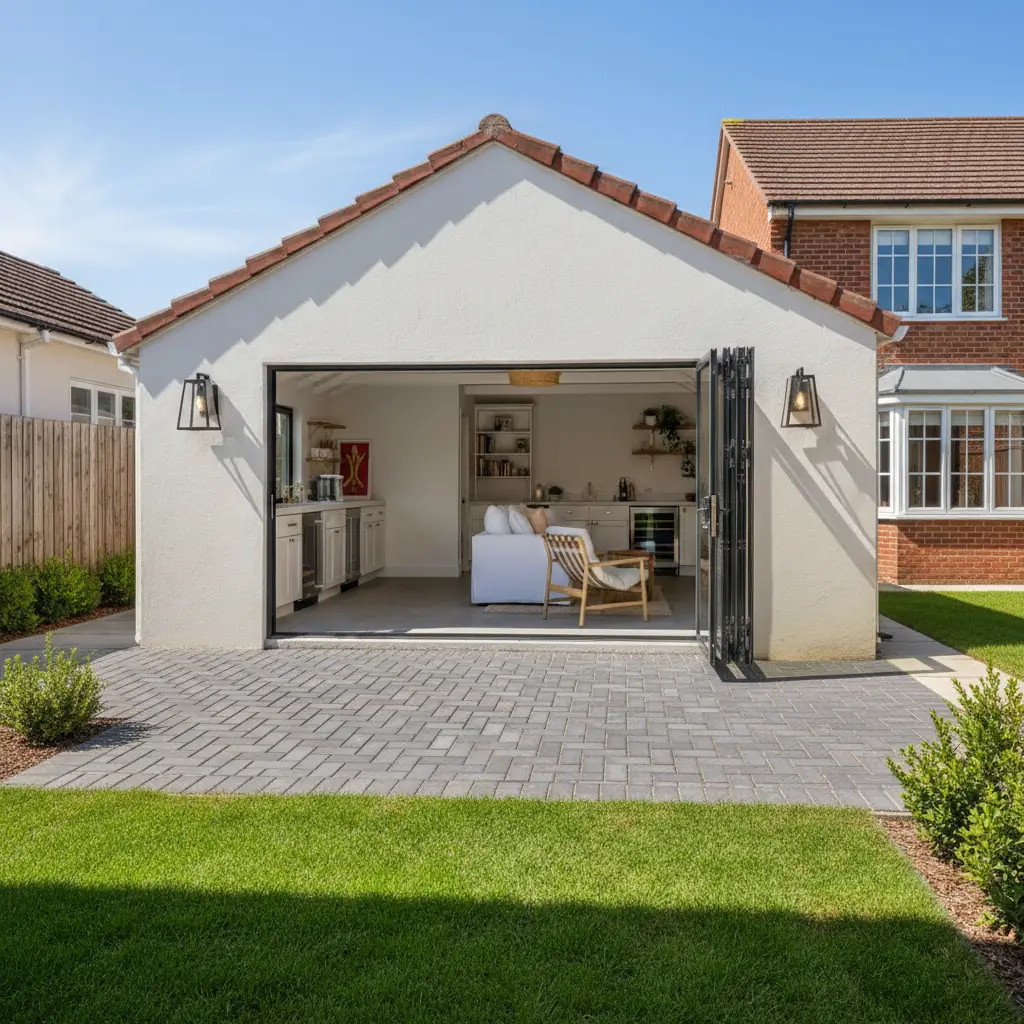
Getting work done on your home should feel exciting—not like a maze of acronyms, forms and fees. If you’re staring at drawings and wondering whether you need planning permission UK or if your idea sits under permitted development, this guide breaks it all down in plain English. And if you’d rather not wrestle with policy PDFs and council portals, Fixiz is here to handle it for you.
Planning Permission vs Permitted Development
Planning permission is formal consent from your Local Planning Authority (LPA) for certain kinds of development—new builds, major alterations and changes of use. Permitted development (PD) lets you do specific works without a full planning application, provided you meet strict limits and conditions.
Typical home improvements that often fall under PD (subject to detailed rules) include some rear extensions, loft conversions, outbuildings, and solar panels—as long as you stay within height, volume and siting limits and avoid restricted areas or Article 4 directions.
Tip: Even under PD, you’re still responsible for proving compliance. Many homeowners apply for a Lawful Development Certificate to document that the work is legal—useful for mortgage lenders and when you sell.
Common Projects and When Permission Is Needed
House Extensions
- Single-storey rear extensions may be PD if they stay within depth/height limits and other criteria.
- Side and two-storey extensions are more tightly controlled; they often need planning permission depending on width, height, and proximity to boundaries.
Loft Conversions and Dormers
- Many loft conversions are PD if volume increases stay within set cubic limits and dormers are set back and not higher than the roof ridge.
- Front-facing dormers on principal elevations or in certain designations usually need permission.
Garage Conversions
- Converting an integral garage to habitable space may be PD if you’re not altering the external appearance significantly.
- If your street has an Article 4 direction or the conversion impacts the façade, permission may be required.
How to Apply for Planning Permission (Step-by-Step)
- Check the rules and get advice – Use the Planning Portal “Do you need permission?” pages and consider pre-application advice with your LPA to spot issues early.
- Prepare drawings and documents – You’ll need scaled plans, elevations, a site location plan, and supporting statements depending on the project.
- Submit online via the Planning Portal – Most applications go through the Portal; once you pay, your application is transferred to your LPA.
- Validation & consultation – The LPA checks your documents. Neighbours and consultees may be notified.
- Decision & next steps – If approved, comply with any conditions. If refused, you can amend and resubmit or appeal.
Common Reasons for Refusal—and How to Avoid Them
Councils refuse applications when proposals conflict with national or local policies. Frequent issues include:
- Overlooking/loss of privacy or light
- Scale, massing or poor design quality out of character with the street
- Highways/parking impacts
- Heritage harm (affecting listed buildings or conservation areas)
- Incomplete or inaccurate submissions
How to de-risk your application:
- Get pre-app feedback for early steers, especially on tricky sites
- Design to policy: echo local character, rooflines and materials
- Respect neighbours: manage windows, set-backs, and overshadowing
- Submit the right evidence: heritage statements, daylight/sunlight, parking notes
Conservation Areas, Article 4 Directions and Listed Buildings
Conservation Areas
Living in a conservation area means tighter controls to protect local character. Even minor works may need permission. Some areas also apply Article 4 directions that withdraw PD rights entirely for certain elements.
Listed Buildings
For listed buildings, many internal and external alterations require Listed Building Consent if they affect the building’s special character—even things like changing windows or moving internal walls. This is separate from planning permission and is mandatory.
How Fixiz Helps You Navigate Planning
At Fixiz, we take the stress off your shoulders:
- Feasibility first: We assess your idea against PD rules and local policy so you don’t waste time on a non-starter.
- Clear strategy: PD route with a Lawful Development Certificate or full planning application—we’ll recommend the safest, quickest path.
- Design that passes the “policy test”: Our designers align massing, materials and windows with local guidelines.
- Rock-solid submissions: We produce compliant drawings and supporting statements, then submit via the Planning Portal.
- Sensitive sites expertise: From conservation areas to listed buildings, we coordinate heritage statements and pre-apps.
Conclusion: Make Your Project a “Yes”
The fastest route to “approved” is simple: confirm whether you’re PD or planning, design to policy, front-load the right evidence and submit a complete, professional package. If you’d rather skip the paperwork and policy juggling, Fixiz can manage every step—from feasibility to drawings, submissions and post-decision conditions.
Ready to move from ideas to approved plans? Book a free consultation with Fixiz today and let’s get your project moving.