Physical address:
128 City Road, EC1V 2NX, London,UK

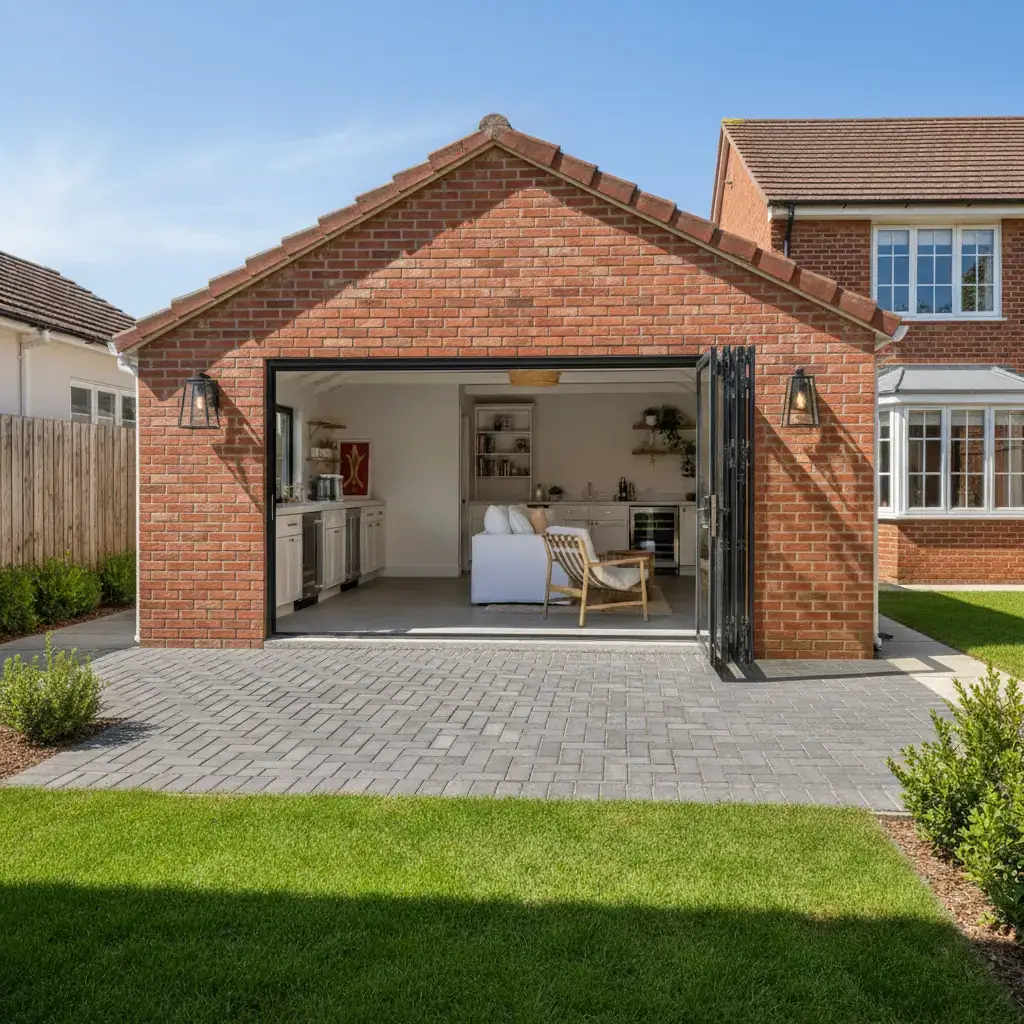
If you’re planning a home renovation in the UK, few topics cause more confusion — or costly mistakes — than planning permission versus permitted development. Many homeowners assume they “don’t need planning” because a friend said so, only to discover later that their project doesn’t comply, leading to delays, redesigns or even enforcement action.
At Fixiz, we regularly help London homeowners navigate planning rules for loft conversions, garage conversions and house extensions. This guide explains the difference between planning permission and permitted development in plain English, highlights common pitfalls, and shows how to stay compliant with UK Building Regulations — without unnecessary stress.
Why Planning Rules Cause So Much Confusion in the UK
UK planning rules are not deliberately complicated — but they are full of conditions, exceptions and local variations.
Homeowners often struggle because:
- Rules differ depending on property type
- Local authorities can apply additional restrictions
- “Permitted Development” comes with strict limits
- Planning permission and Building Regulations are often confused
Understanding the basics before you start can save months of delays and thousands of pounds.
Planning Permission vs Permitted Development: The Simple Difference
What is Planning Permission?
Planning permission is formal approval from your local council to carry out certain building works. It ensures that developments are appropriate for the area, don’t harm neighbours, and meet local planning policies.
You typically need planning permission for:
- Large extensions beyond permitted limits
- New builds or significant alterations
- Change of use (e.g. converting a house to flats)
- Work on listed buildings or in conservation areas
What is Permitted Development?
Permitted Development (PD) allows certain types of work to be carried out without full planning permission — as long as specific conditions are met.
Common projects that may fall under PD:
- Rear extensions up to certain sizes
- Loft conversions (without raising the roofline)
- Garage conversions (internal only)
- Outbuildings and garden structures
However, Permitted Development is not automatic — it comes with strict limits on size, height, materials and location.
When You Definitely Need Planning Permission
Flats and Maisonettes
Permitted Development rights generally do not apply to flats or maisonettes. If you live in one, you will likely need full planning permission for almost any external work.
Conservation Areas
If your property is in a designated conservation area, additional restrictions apply. Works that might be permitted elsewhere often require planning approval in these areas.
Listed Buildings
Listed building consent is required for any work — internal or external — that affects the character of the building. This is in addition to planning permission.
Article 4 Directions
Some councils remove Permitted Development rights using Article 4 Directions. Check with your local planning authority before assuming PD applies.
Common Mistakes Homeowners Make with Permitted Development
- Assuming PD applies without checking property type
- Exceeding size or height limits
- Ignoring neighbour consultation requirements
- Confusing PD with Building Regulations approval
- Starting work before confirming rights
The safest approach is always to check with your local council or get a Lawful Development Certificate before starting.